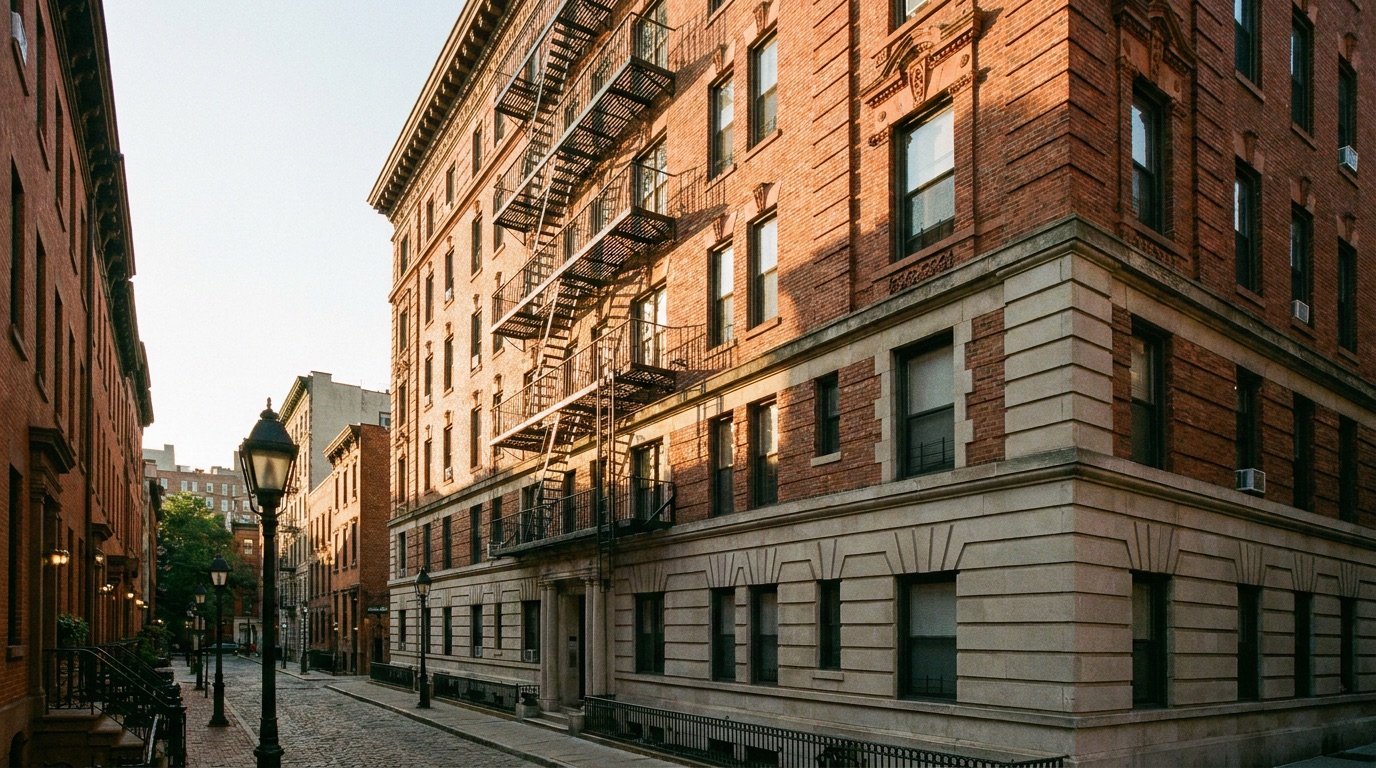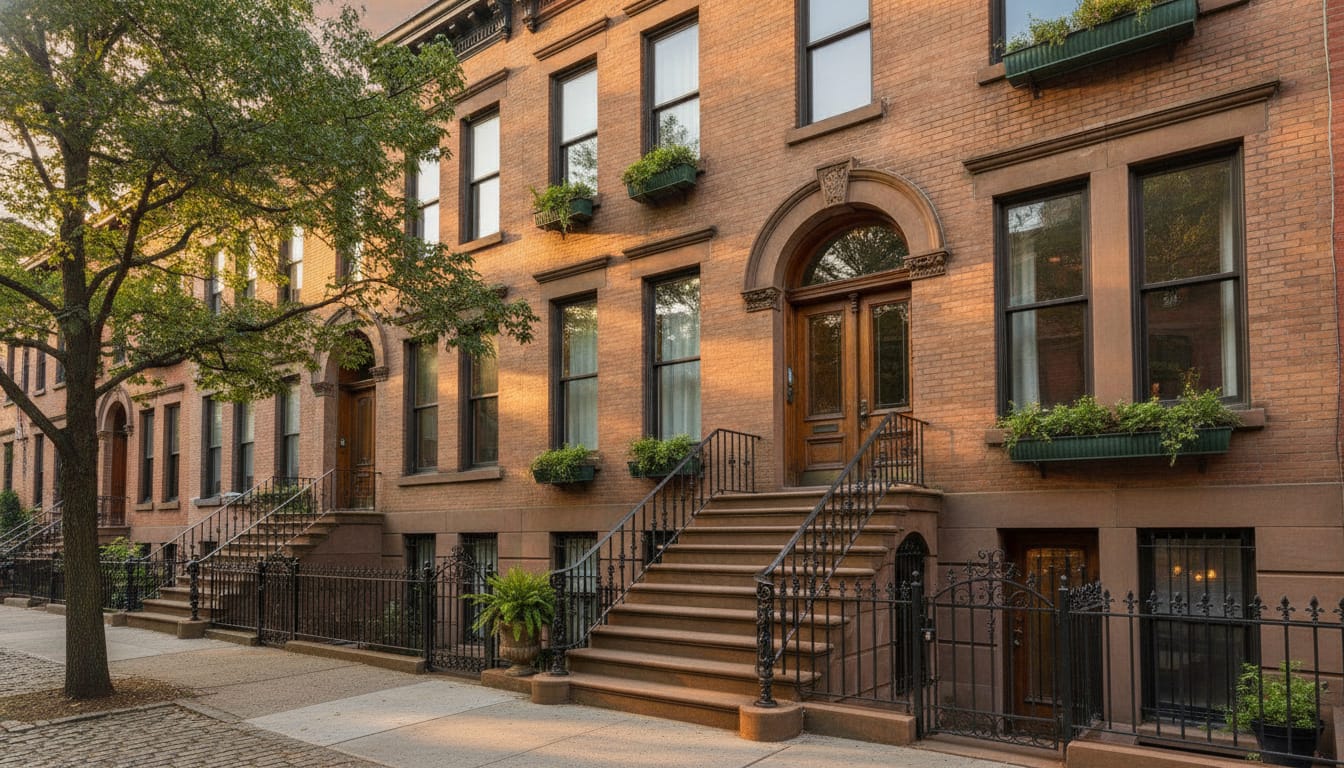
The median sale price for a condo in San Francisco hit $1.27 million in Q1 2026, while a comparable two-bedroom co-op in Manhattan's Upper West Side trades around $1.1 million. For the first time in a decade, New York City is cheaper than San Francisco on a per-square-foot basis in many segments, and the Bay Area sellers arriving at my desk are arriving with equity and a clear sense of what they want: walkability, density, culture, and a real winter.
In my 25+ years handling relocations into New York from across the country, Bay Area buyers tend to adapt fastest because they already understand expensive, high-density urban living. The learning curve here is not the price. It is the co-op board.
The Tax Picture: California vs. New York
This is the number most SF transplants do not run until after they move. California's top state income tax rate is 13.3%. New York State's top rate is 10.9%. If you are a high earner, moving to NYC actually cuts your state tax burden. Add the NYC resident income tax (top rate 3.876%) and you land roughly equal to California's state tax for most income levels, with a slight edge in California only at very high incomes. The bigger shift: there is no NYC equivalent of California's Proposition 13 property tax cap, but co-op maintenance fees in NYC include property taxes, which makes the actual monthly carrying cost more predictable than a California property tax bill that resets to market value at reassessment.
| Item | San Francisco | New York City |
|---|---|---|
| Median 2BR condo price | $1.27M | $1.05M (Manhattan) |
| State income tax (top rate) | 13.3% | 10.9% (NY State) |
| City income tax | None | 3.876% (NYC residents) |
| Average car ownership cost/yr | $12,000-$15,000 | $0 (most NYC buyers go car-free) |
| Subway monthly pass | $104 (BART/Muni combo) | $132 (NYC unlimited MetroCard) |
What Your SF Sale Proceeds Buy in NYC
A typical SF seller cashing out a condo bought in 2015 for $850,000 and selling in 2026 for $1.2 million clears roughly $200,000-$250,000 after capital gains, agent fees, and California transfer tax. In NYC, that is a 20% down payment on a $1 million to $1.25 million purchase, which gets you:
- A two-bedroom co-op on the Upper West Side or Washington Heights with a doorman and pre-war details
- A one-bedroom condo in Long Island City or Astoria with Manhattan skyline views
- A two-bedroom condo in Williamsburg or Greenpoint in a newer building with gym and roof deck
Keep in mind that NYC co-ops often require 20-30% down plus post-closing liquidity reserves of 12-24 months of maintenance. Bringing strong SF equity is a genuine advantage in the co-op approval process. One step many relocating buyers miss: the lender's Aztech recognition agreement, a three-party document the co-op corporation must sign before your lender funds. See the Aztech recognition agreement guide to understand how to initiate this early and avoid a closing delay.
Neighborhoods SF Buyers Gravitate Toward
Tribeca and SoHo (Manhattan): The architectural quality, loft conversions, and restaurant density feel closest to San Francisco's SOMA and Pacific Heights. Expect $2M+ for a two-bedroom loft. This is where tech executives and venture-backed founders land.
Upper West Side (Manhattan): Pre-war co-ops, proximity to Central Park, and a walkable main street (Broadway and Columbus) that reminds many SF buyers of Cole Valley or Noe Valley, at a significantly lower price point per square foot than Tribeca.
Long Island City (Queens): Direct subway to Midtown in 7-10 minutes, newer glass-and-steel condos at Manhattan pricing from 5-8 years ago, and a growing restaurant scene. Bay Area tech workers with offices in Midtown South often land here first.
Park Slope and Carroll Gardens (Brooklyn): Brownstone blocks, farmers markets, a calm pace compared to Manhattan. SF buyers from the Mission or Bernal Heights respond to this immediately. Brownstone houses start around $2.5M, but two-bedroom condos run $900K-$1.3M.

Available Now in NYC
Active listings across the neighborhoods SF buyers target most.

625 Main Street #733
Roosevelt Island

625 Main Street #834
Roosevelt Island
Listing information provided courtesy of the Real Estate Board of New York's Residential Listing Service (RLS). Information is deemed reliable but not guaranteed. Sale listings verified. ©2026 REBNY. RLS data displayed by Keller Williams NYC.
Five Things That Surprise SF Buyers in NYC
Structural Surprises
- Co-op board approval: A board of shareholders votes on whether to admit you. The application package is 60-100 pages. A rejection is possible and does not require explanation. No equivalent exists in California.
- No garage, no in-unit laundry: Most NYC apartments do not have either. Laundry is in the basement or a laundromat two blocks away. You will adapt in two weeks.
- Maintenance fees: Co-op monthly fees include property taxes, utilities, and building staff. They run $800-$2,500/mo on a two-bedroom. Budget for them like a second rent.
Market Surprises
- Closing costs are real: NYC buyers pay mansion tax on purchases over $1M (1-3.9%), mortgage recording tax, attorney fees, and title insurance for condos. Budget 3-5% on top of the purchase price.
- Bidding wars can be calm: SF was famous for 20-offer overbid situations. NYC competitive situations are more common in the $700K-$1.2M range and less intense above $2M currently.
- The attorney is not optional: Both sides hire real estate attorneys in NYC. It is required, not a choice. Budget $3,000-$4,500.
Your 5-Step NYC Relocation Checklist
- Establish a residency plan before you search. Co-op boards scrutinize your employer letter and pay stubs. If you are remote, be ready to document your employment clearly. Boards are less comfortable with freelancers and self-employed buyers, so prepare extra financial documentation.
- Get pre-approved by a NYC-familiar lender. Not every lender is approved by every co-op building. Work with a lender who has done co-op loans in New York State and ask upfront whether they are on each building's approved lender list.
- Gather your financial documents before you go into contract. Last 3 years of federal tax returns, 6 months of bank statements, CPA-prepared net worth statement, employment verification. The board package clock starts the day you sign the contract.
- Hire a NYC real estate attorney before you make your first offer. Your attorney reviews the contract, the building financials, and the proprietary lease. This is not a step you do after the offer is accepted.
- Budget 90-120 days from accepted offer to keys for a co-op. The board process takes time. If you have a lease end date in SF, give yourself runway. For a condo, budget 45-60 days.
Relocating from San Francisco to NYC?
Milton Coste has guided dozens of Bay Area transplants through the NYC co-op and condo process. No assumptions, no shortcuts. Schedule a call before you start searching.
Schedule a Free ConsultationFor the complete picture of what it costs to close on a NYC property, see the NYC closing costs breakdown and the NYC closing process timeline. And if you are comparing living in NYC to staying in the Bay Area, the complete NYC real estate guide for newcomers covers the borough-by-borough breakdown in full.