The median co-op on the Upper West Side sold for roughly $1.2 million in Q4 2025. The median co-op in Riverdale sold for $275,000. That is a 77% discount for a neighborhood connected to Midtown by the same 1 train. In 25+ years working both markets, I have watched hundreds of buyers discover Riverdale only after being priced out of the UWS, and most of them wish they had looked there first.
This article breaks down the numbers: price per square foot, carrying costs, commute math, building quality, and the trade-offs that actually matter. If you are deciding between these two neighborhoods, or considering Riverdale as a value alternative to the UWS, here is what the data says.
Price Comparison: The Full Picture
| Metric | Riverdale | Upper West Side | Difference |
|---|---|---|---|
| Median Co-op Price | $275,000 | $1,200,000 | -77% |
| Median Price/sqft | $355-$414 | $1,585-$1,690 | -75% |
| Average Days on Market | 121 days | 72 days | +68% |
| Active Listings | ~320 | ~1,170 | 3.7x more |
| Avg Co-op Maintenance | $750-$900/mo | $1,800-$2,500/mo | -55% |
| YoY Price Change | +4.3% | +7.9% | UWS faster |
The headline number is striking, but the maintenance comparison matters just as much. A Riverdale co-op owner paying $800/month in maintenance versus a UWS owner paying $2,200/month is saving $16,800 per year. Over a 10-year hold, that is $168,000 in reduced carrying costs before accounting for the lower purchase price.
What Your Budget Actually Buys
Dollar-for-dollar, here is what the same budget gets you in each neighborhood:
$400,000 in Riverdale
- Spacious 2-bedroom co-op (900-1,100 sqft)
- Prewar building with doorman
- Separate dining room, hardwood floors
- Parking available ($100-$200/mo)
- Maintenance: ~$900/month
At the $400,000 price point, Riverdale delivers roughly double the square footage with lower monthly costs. The gap narrows at higher price points ($800K+ opens up true 2-bedrooms on the UWS), but for buyers under $600,000, the value difference is dramatic.
The Commute: Closer Than You Think
The biggest objection I hear from buyers considering Riverdale: "It is too far." Here are the actual numbers:
Rush Hour Commute to Midtown (Penn Station/Times Square)
- Riverdale (231st St, 1 train): 38-42 min local, 28 min express to 72nd St then transfer
- Riverdale (Van Cortlandt Park, 1 train): 45 min local
- Upper West Side (72nd St, 1/2/3): 12-15 min express
- Upper West Side (96th St, 1/2/3): 18-22 min
- Riverdale (Metro-North, Riverdale station): 20 min to Grand Central
Metro-North is the factor most buyers overlook. A monthly pass costs ~$200 and cuts the commute to 20 minutes door-to-platform.
The 1 train commute from Riverdale to Midtown adds roughly 20-25 minutes compared to the UWS. But the Metro-North option from Riverdale station to Grand Central takes just 20 minutes, making it competitive with the UWS express subway. This is the single most underrated fact about Riverdale: it has commuter rail access that most Bronx neighborhoods lack.
Comparing Riverdale and the Upper West Side?
I work both neighborhoods and can show you what your budget buys in each. Get a side-by-side unit comparison.
Schedule a Free Consultation
Co-ops in Riverdale & Upper West Side
Compare current listings in both neighborhoods

25 W 64th Street #2F
Upper West Side

5610 Netherland Avenue #1G
Riverdale
Listing information provided courtesy of the Real Estate Board of New York's Residential Listing Service (RLS). Information is deemed reliable but not guaranteed. Sale listings verified. ©2026 REBNY. RLS data displayed by Keller Williams NYC.
Building Stock: What is Different
Riverdale is dominated by mid-rise and high-rise co-op buildings built between the 1950s and 1970s. Think solid brick construction, large floor plans, and generous closet space. Many buildings sit on landscaped campuses with parking lots, laundry rooms, and outdoor green space. The architecture is suburban in feel but urban in density. A handful of newer condo buildings have gone up along the Henry Hudson Parkway, but the market is 90%+ co-op.
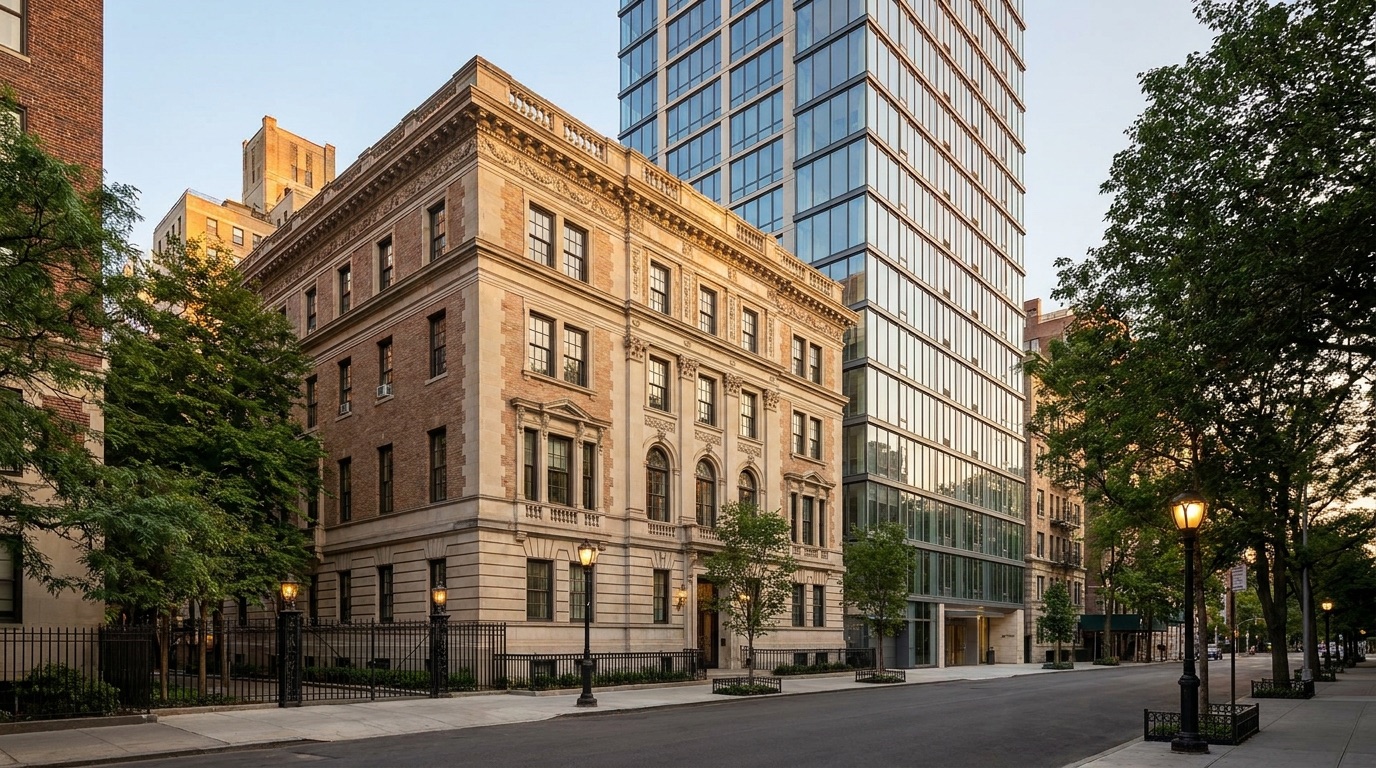
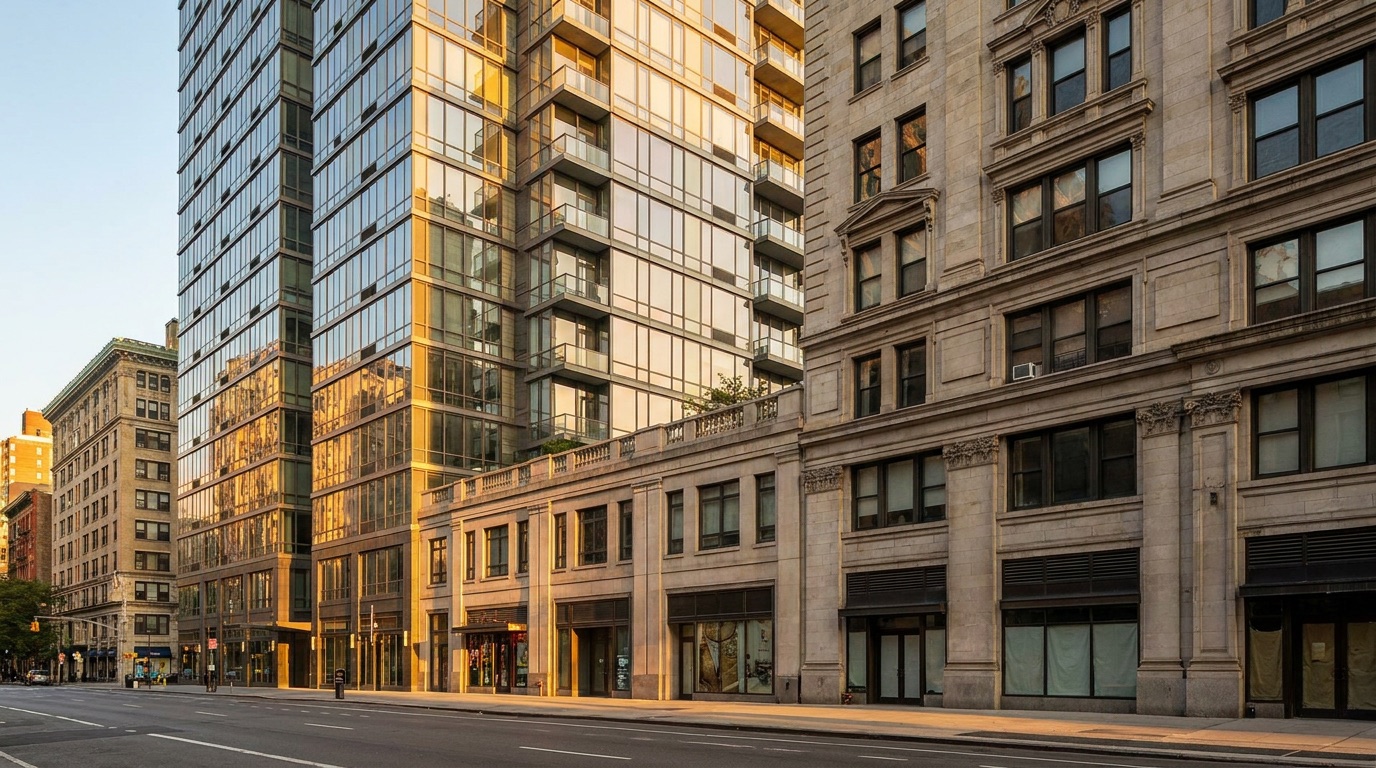
The Upper West Side has a broader mix: prewar brownstones (1890s-1920s), classic prewar co-ops (1920s-1940s), postwar towers (1960s-1970s), and a growing number of new development condos along Broadway and Columbus. The UWS building stock carries more architectural prestige, with many buildings designated as historic landmarks. But that prestige comes with trade-offs: smaller rooms in prewar layouts, galley kitchens, and building infrastructure that may need expensive capital improvements.
Co-op Board Strictness
Both neighborhoods have strict co-op boards, but in my experience Riverdale boards tend to be more pragmatic about financial requirements. UWS boards, particularly in the "classic six" buildings along West End Avenue and Riverside Drive, are among the most demanding in the city. Debt-to-income ratios, post-closing liquidity requirements, and even interview dress codes are taken more seriously on the UWS. Riverdale boards care about your financials, but the interviews are typically shorter and the supplementary document requirements lighter. For a line-by-line breakdown of the financial statement both types of boards will scrutinize, see the REBNY financial statement guide.
Lifestyle Trade-Offs: What You Gain, What You Give Up
What Riverdale Offers
- Van Cortlandt Park (1,146 acres, third-largest in NYC)
- Wave Hill (28-acre public garden overlooking the Hudson)
- Free street parking (rare in NYC)
- Quieter streets, lower density
- Access to Westchester amenities (10-min drive)
- Larger apartments at every price point
What the UWS Offers
- Central Park and Riverside Park (steps away)
- Lincoln Center, AMNH, Beacon Theatre
- Dense restaurant/bar/retail scene
- Express subway access (2/3 trains)
- Walkable to Midtown employers
- Higher resale liquidity (72-day avg vs 121-day)
The UWS wins on walkability, cultural institutions, and resale speed. Riverdale wins on space, carrying costs, parking, and green space. Neither is objectively better. The right choice depends on whether your priority is lifestyle density or financial efficiency.
Investment Perspective: Appreciation and Resale
The UWS has appreciated at 7.9% year-over-year versus Riverdale's 4.3%. On a percentage basis, the UWS is the stronger growth market. But consider the absolute dollars: 4.3% on a $275,000 purchase is $11,825/year. To generate the same return on the UWS, you need 7.9% on $1.2 million, which is $94,800, but you also invested $925,000 more to get there.
For investors thinking about returns on capital deployed, Riverdale often produces a higher percentage return. For investors who want maximum absolute appreciation and can hold for 10+ years, the UWS has a longer track record of steady growth.
One factor I always discuss with my Riverdale buyers: the 121-day average DOM means selling takes longer. If you need liquidity on short notice, the UWS is easier to exit. If you are buying to hold for 5+ years, Riverdale's longer selling timeline is less relevant.
Who Should Choose Riverdale
Based on the clients I have worked with across both neighborhoods, Riverdale is the stronger choice if you:
- Have a budget under $600,000 and want a true 2-bedroom
- Own a car or want free/cheap parking
- Work from home 2-3 days per week (commute frequency matters less)
- Value outdoor space and lower density over nightlife access
- Are buying your first apartment and want low carrying costs while building equity
- Have children and want larger bedrooms (this is about square footage, not schools)
Who Should Choose the Upper West Side
The UWS makes more sense if you:
- Commute to Midtown daily and want a 15-minute subway ride
- Prioritize walkability to restaurants, cultural venues, and retail
- Want a building with architectural prestige and landmark designation
- Have a budget above $800,000 and want a competitive resale market
- Value being in Manhattan for professional networking and lifestyle reasons
The Bottom Line
Riverdale gives you 3-4x the space at 60-75% lower cost with a reasonable commute to Midtown, especially if you use Metro-North. The Upper West Side gives you one of Manhattan's most in-demand addresses with unmatched walkability and faster resale. The trade-off is real, and neither answer is wrong.
What I tell every buyer who asks me to compare these two: visit both on the same Saturday. Walk the streets, ride the trains, look at three units in each neighborhood at your budget. The numbers make a case for Riverdale, but the feeling of each neighborhood is what ultimately decides it.
Ready to Tour Both Neighborhoods?
Milton Coste has 25+ years of experience across the Bronx and Manhattan. Get a personalized showing in both Riverdale and the Upper West Side.
Schedule a Free Consultation