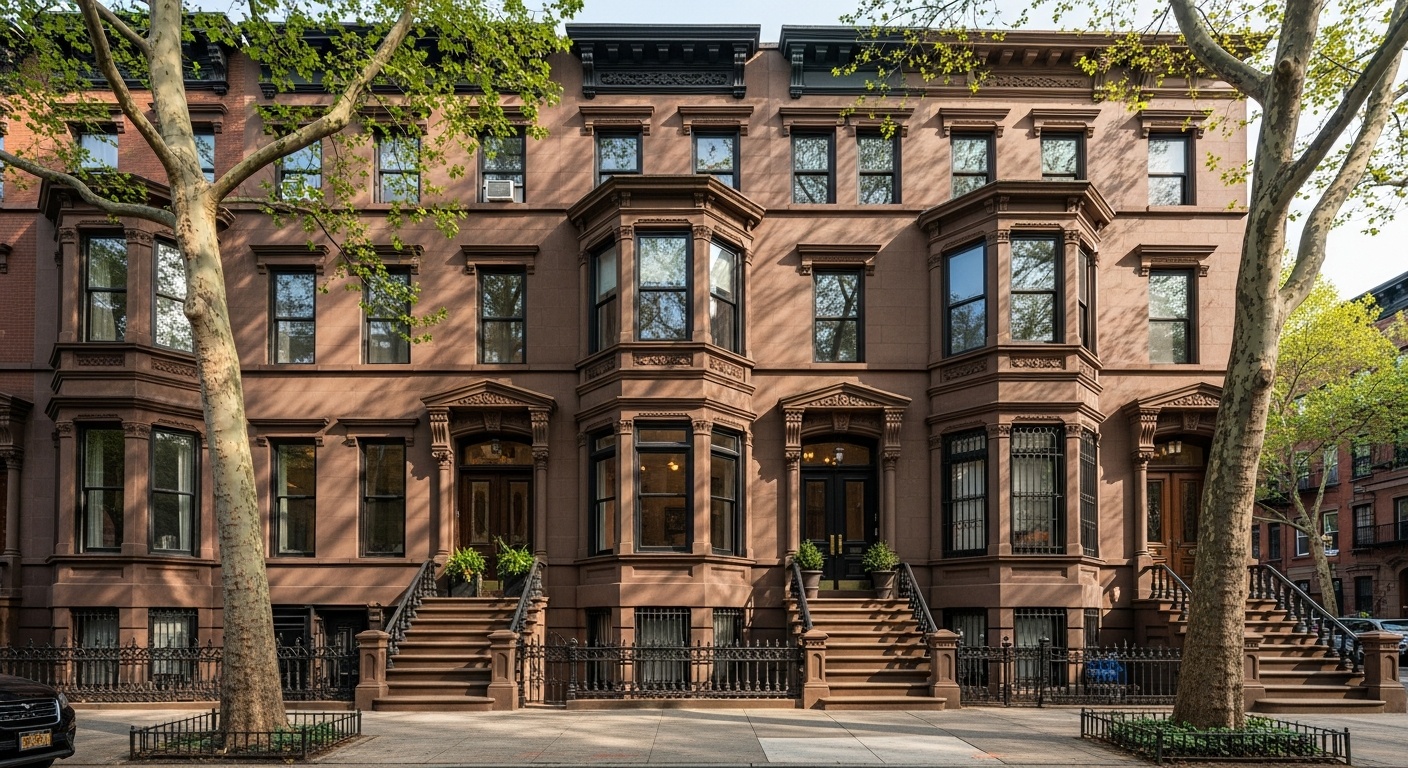
A well-located 2-4 unit property in NYC can generate $3,000-$8,000/month in net rental income. As a bilingual broker who has helped investors close on multi-family properties from Inwood to Jamaica, I can tell you the numbers work if you know where to look. This guide covers everything from market entry points and financing options to property management and exit strategies for 2-4 unit buildings.
Key Takeaway: 2-4 unit multifamily buildings in the Bronx and Queens offer the best cash-on-cash returns, especially when you live in one unit while collecting rent from the others, turning your mortgage payment into landlord income.
Understanding the NYC Multi-Family Market
| Area | Median Sale Price | YoY Change | Avg Days on Market | Median 1BR Rent |
|---|---|---|---|---|
| Bronx | $730K | ↑16.8% | 92 | N/A |
| Queens | $735K | ↑7.3% | 82 | N/A |
| Brooklyn | $973K | ↓8.2% | 86 | N/A |
| Fordham | $662K | N/A | , | N/A |
| Jamaica | $806K | ↑23.0% | , | N/A |
Source: StreetEasy Market Reports · Data: January 2026
The Appeal of Multi-Family Properties
Multi-family properties, especially those with 2-4 units, provide a unique opportunity in New York City. Compared to single-family homes, these properties allow you to generate multiple streams of rental income, thereby increasing your cash flow potential. They also come with lower entry prices per unit compared to larger multi-family buildings, making them an accessible option for many investors.
Neighborhood Insights
When considering where to invest, look at specific neighborhoods and their dynamics. Here are a few neighborhoods worth considering for 2-4 unit multi-family properties:
- Astoria, Queens: Astoria draws a wide range of residents and has seen sustained rental demand. Its proximity to Manhattan via the N and W subway lines, along with a strong cultural scene, makes it a popular location. The average 2-4 unit building price ranges from $1.2 million to $2.5 million, depending on the specific area and amenities.
- Bushwick, Brooklyn: Bushwick has seen active new development and a range of new residential and mixed-use projects. The J, Z, and L subway lines provide easy access to Manhattan. Expect to pay between $1.5 million and $3 million for a 2-4 unit property here, with many investors drawn by the potential for rent growth.
- Inwood, Manhattan: Located at the northern tip of Manhattan, Inwood offers a more suburban feel with its parks and waterfront views. The A and 1 subway lines connect residents to the rest of the city. Multi-family properties typically range from $1 million to $2 million, making it an attractive area for investors.
- Sunnyside, Queens: Sunnyside has an established residential character and excellent access to the 7 subway line. Properties in this area can range from $1 million to $2.5 million, with many investors appreciating its stable rental market.
- East Harlem, Manhattan: This neighborhood features a mix of prewar walk-ups and new construction condominiums. The 2 and 6 subway lines provide good connectivity, and average property prices for 2-4 unit buildings range from $1.1 million to $2.2 million.
Market Trends and Data
To make informed investment decisions, it's essential to understand current market trends. Here's a snapshot of the average rent and occupancy rates for 2-4 unit buildings across various neighborhoods in NYC:
Format as a table matching the structure above.
Financing Your Multi-Family Investment
Financing Options Overview
Securing financing for multi-family properties in NYC can be different from traditional single-family homes. Here are some common financing options:
- Conventional Loans: Many investors opt for conventional loans, which typically require a 20-25% down payment. These loans are a good fit for those with strong credit and financial stability.
- FHA Loans: The Federal Housing Administration (FHA) provides loans for multi-family properties that allow for lower down payments (as low as 3.5%). However, these loans come with specific occupancy requirements.
- Commercial Loans: If you're purchasing a larger multi-family property (more than 4 units), you'll need a commercial loan. These loans can have different terms and interest rates, so work with a lender experienced in multi-family financing.
- Hard Money Loans: For investors looking for quick financing, hard money loans can be an option. However, they come with higher interest rates and shorter repayment terms, making them suitable for short-term investment strategies.
Tips for Securing Financing
- Maintain Good Credit: A strong credit score can help you obtain better loan terms and lower interest rates.
- Prepare Financial Statements: Lenders will want to see your financial health, so be prepared with personal and business financial statements. See our mortgage pre-approval guide for what lenders look for.
- Consider a Co-Signer: If your credit isn't strong enough, having a co-signer can help you obtain financing.
- Explore Local Programs: Some local banks and credit unions offer specific programs for multi-family property investors. Research these options to find favorable terms.
Property Management Essentials
Self-Management vs. Hiring a Management Company
When investing in multi-family properties, one of the key decisions you'll face is whether to manage the property yourself or hire a management company. Here are some considerations for each approach:
Self-Management
- Pros: You save on management fees and have direct control over your property.
- Cons: Managing a property can be time-consuming and stressful, especially during tenant turnover or maintenance emergencies.
Hiring a Management Company
- Pros: Professional management companies have experience handling tenant issues, maintenance requests, and lease agreements.
- Cons: You'll need to budget for management fees, which typically range from 8-10% of the monthly rent.
Best Practices for Effective Management
If you choose to self-manage your properties, consider these best practices:
- Screen Tenants Thoroughly: Conduct background checks, verify income, and check references to confirm you find reliable tenants.
- Stay Organized: Use property management software to keep track of rent payments, maintenance requests, and tenant communications.
- Maintain Open Communication: Encourage tenants to communicate with you about any concerns. This can help build a good landlord-tenant relationship and reduce turnover.
- Regular Inspections: Schedule regular property inspections to identify potential issues before they escalate. This proactive approach can save you money in the long run.
- Know Your Legal Obligations: Familiarize yourself with NYC landlord-tenant laws to stay compliant. This includes understanding rent regulations, eviction processes, and tenant rights.
Active Multifamily Listings: 2–4 Units
Income-producing properties in the Bronx, Queens, and Brooklyn
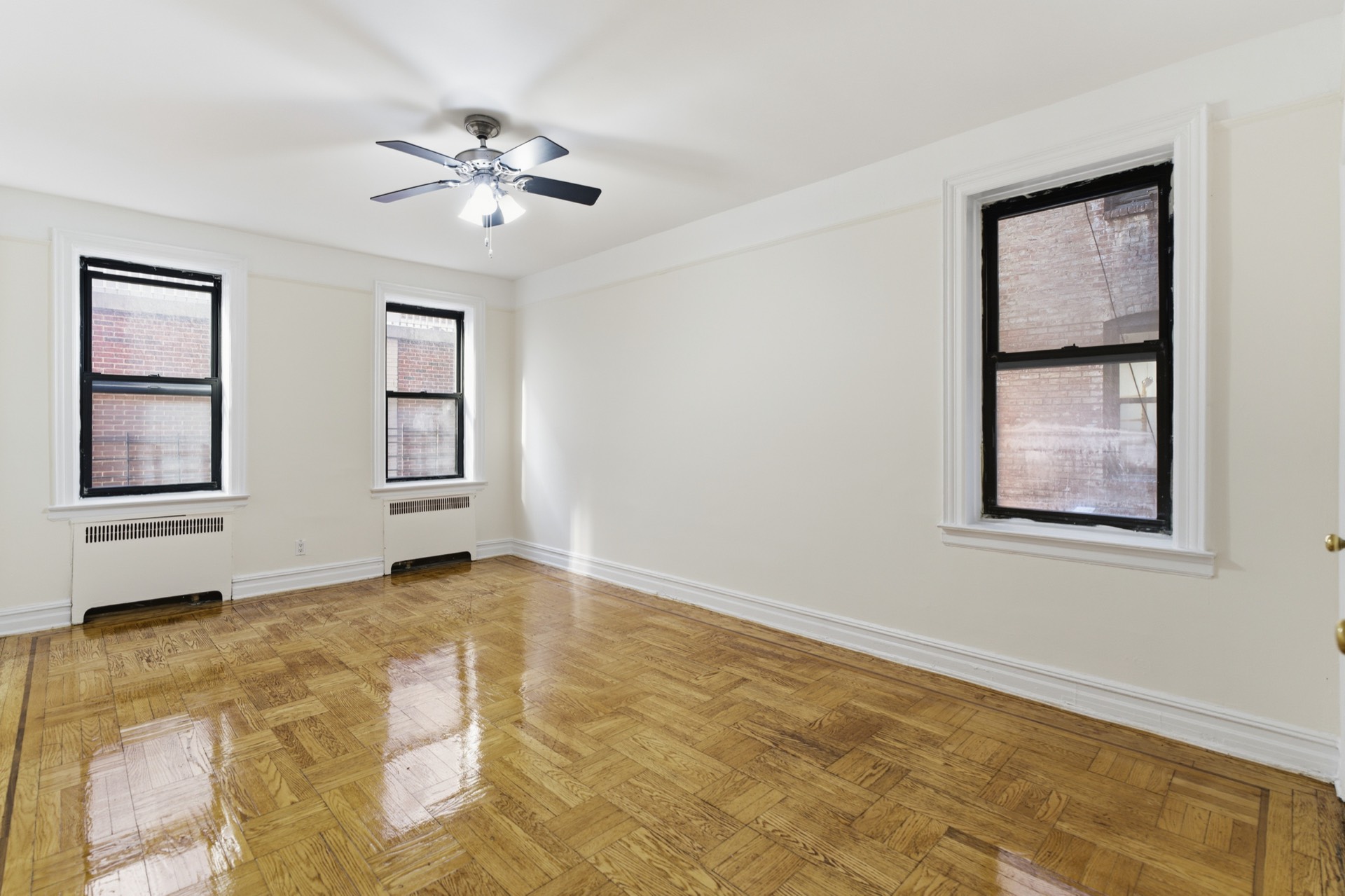
685 CHAUNCEY Street
Bushwick
352 New York Avenue
Crown Heights
Listing information provided courtesy of the Real Estate Board of New York's Residential Listing Service (RLS). Information is deemed reliable but not guaranteed. Sale listings verified. ©2026 REBNY. RLS data displayed by Keller Williams NYC.
Understanding NYC Regulatory Requirements
Understanding Rent Stabilization and Rent Control
- New York City has specific regulations regarding rent stabilization and rent control that can impact your investment. Here's a brief overview:
- Rent Stabilization: NYC rent stabilization regulations are complex and were significantly updated by the Housing Stability and Tenant Protection Act (HSTPA) of 2019. Do not rely on this article for rent regulation guidance. Consult a licensed New York real estate attorney to determine whether any property you are considering is subject to rent stabilization, rent control, or other rent regulation before purchasing.
- Rent Control: This applies to a smaller number of units and usually concerns properties built before 1947. Rent control limits rent increases even more strictly and gives long-term tenants significant protections.
Zoning Laws and Building Codes
Before purchasing a multi-family property, make sure you understand the zoning laws and building codes that apply to your property. These regulations can impact what you can do with your property, including renovations, expansions, and even the types of tenants you can accept.
Working with Experienced Professionals
NYC's regulatory requirements can be complex, so it's wise to work with experienced professionals. A knowledgeable real estate attorney can help you understand your obligations and confirm you're compliant with local laws. Before purchasing, use our due diligence checklist to verify all building documents and regulations.
Strategic Exit Strategies
Planning for the Future
Part of successful investing is having a clear exit strategy. Here are a few common exit strategies for multi-family property investors:
- Hold and Rent: Many investors choose to hold onto their properties for the long term, benefiting from rental income and property appreciation over time.
- Value-Add Strategy: Consider renovating units or improving the property to increase its value. Once you've increased the property's worth, you can either refinance or sell for a profit.
- 1031 Exchange: If you're considering selling your property, a 1031 exchange allows you to defer capital gains taxes by reinvesting the proceeds into another property. This is a popular strategy among seasoned investors.
- Selling to an Investor: If you're looking to cash out, selling to another investor can be a quick way to exit your investment. Make sure your property is well-maintained and appealing to potential buyers.
Conclusion
Investing in 2-4 unit multi-family properties in New York City can be a rewarding venture if approached with the right knowledge and strategies. By understanding the market, securing appropriate financing, managing your properties effectively, and working within NYC's regulatory framework, you can maximize your investment potential. Whether you're a seasoned investor or just starting, staying informed and making strategic decisions will help you succeed in this competitive market. For a deeper look at how ownership types compare, see our co-op vs. condo guide.
Active Listings
Active Listings in Bronx
Listings sourced live from REBNY RLS and OneKey MLS. All listings verified active at time of viewing. Updated daily.
View Active Listings Get Custom SearchThis information is not verified for authenticity or accuracy and is not guaranteed. ©2026 The Real Estate Board of New York, Inc. All rights reserved. Listing data sourced from REBNY RLS and OneKey MLS. Listing Courtesy of Keller Williams NYC.
Milton Coste
Licensed Real Estate Associate Broker · Keller Williams NYC
License No. 10401274378 · 360 Madison Avenue, 9th Floor, NY 10017
Equal Housing Opportunity. We are pledged to the letter and spirit of U.S. policy for the achievement of equal housing opportunity throughout the Nation. Milton Coste and Keller Williams NYC are committed to full compliance with the Federal Fair Housing Act (42 U.S.C. §§ 3601–3619), the New York State Human Rights Law (Executive Law, Article 15), and the New York City Human Rights Law (Title 8, NYC Administrative Code).
MLS & Listing Data Disclaimer: This information is not verified for authenticity or accuracy and is not guaranteed and may not reflect all real estate activity in the market. ©2026 The Real Estate Board of New York, Inc. All rights reserved. Listing information is provided exclusively for consumers' personal, non-commercial use and may not be used for any purpose other than to identify prospective properties consumers may be interested in purchasing. Listing data sourced from REBNY RLS and OneKey MLS. Listing Courtesy of Keller Williams NYC.
Financial & Market Data Disclaimer: All financial figures, market statistics, price estimates, and rental rates are sourced from StreetEasy Market Reports and provided for informational purposes only. Market conditions change frequently. This content does not constitute financial, tax, investment, or legal advice. Consult a licensed financial advisor, CPA, or attorney before making financial decisions. Published in accordance with 19 NYCRR Part 175 (NY DOS Real Estate Broker Advertising Regulations). Milton Coste operates as a Licensed Real Estate Associate Broker under the supervision of Keller Williams NYC.
Content published: February 2026 · Milton Coste · Keller Williams NYC · License No. 10401274378